
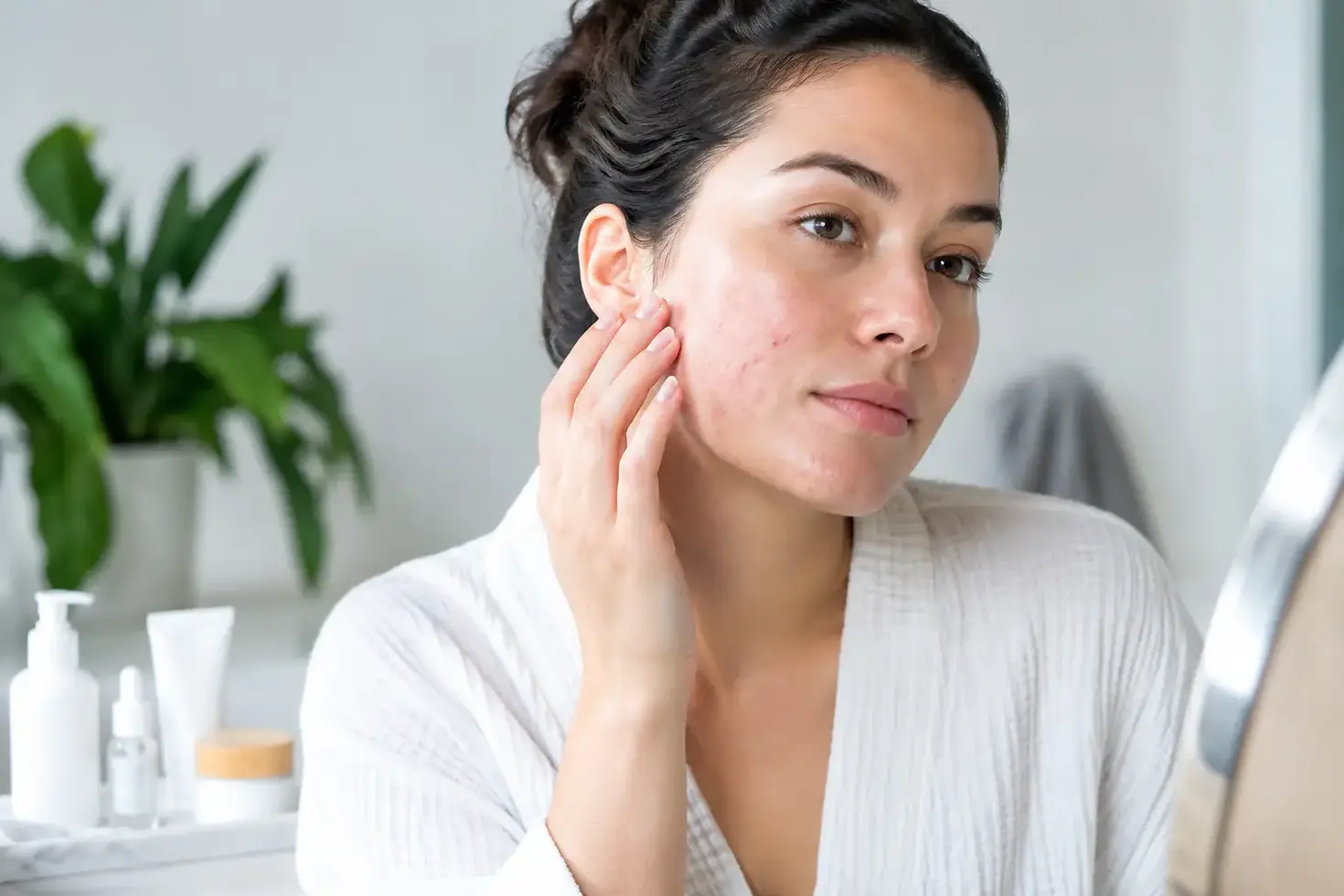
Your Guide to Treating Hormonal Acne Safely

Hormonal acne has a frustrating habit of appearing just as your skin seems settled. Deep, tender spots along the jawline or chin, breakouts that return at the same point in your cycle, and marks that linger long after a blemish has gone can all affect confidence. This guide to treating hormonal acne takes a measured approach: supporting the skin barrier, using proven ingredients consistently and knowing when expert medical advice is the right next step.
Hormonal acne is not a sign that you are doing anything wrong with your skincare. It is often driven by changes inside the body, and the most effective plan is rarely a single facial or product. It is a personalised strategy that respects both your skin and your wider health.
What hormonal acne can look like
Hormonal fluctuations can increase oil production and affect how readily dead skin cells block the pore. This creates the conditions for inflammation, congestion and breakouts. Although it can occur at any age, many adults notice acne around the lower face, including the chin, jawline and neck.
Spots may feel sore beneath the surface before they become visible. They can present as persistent whiteheads and blackheads, inflamed papules or deeper cyst-like lesions. A pattern that worsens before a period may suggest a hormonal contribution, but location alone is not a diagnosis. Acne can also be influenced by genetics, stress, certain medications, cosmetic products and skin irritation.
If your acne began suddenly, is painful or severe, is leaving scars, or occurs alongside changes to your periods, excess facial hair or hair thinning, speak to your GP. These symptoms may need medical assessment, including consideration of conditions such as polycystic ovary syndrome.
A guide to treating hormonal acne with consistency
The desire to clear acne quickly can lead to an overloaded routine: a new acid, a scrub, a mask and a strong spot treatment all at once. Unfortunately, this can damage the skin barrier, increase irritation and make breakouts feel more inflamed. Progress is usually built through consistency over several weeks, not aggressive intervention overnight.
Begin with a gentle, purposeful routine
Cleanse morning and evening with a mild, non-stripping cleanser. Skin that feels tight or squeaky-clean after washing is often being over-cleansed. Follow with a light, non-comedogenic moisturiser. Even oily or acne-prone skin needs hydration; a supported barrier is better able to tolerate active ingredients and recover from inflammation.
Daily broad-spectrum SPF is equally valuable. Acne inflammation and some acne treatments can make skin more vulnerable to post-inflammatory hyperpigmentation, particularly in deeper skin tones. Sun protection helps prevent marks from becoming more noticeable and supports a more even-looking complexion as the skin heals.
Introduce active ingredients carefully
A small number of well-chosen actives can make a meaningful difference. Salicylic acid can help clear within pores and is useful for congestion. Azelaic acid may be a good option for inflammatory acne and the marks it leaves behind, while generally being well tolerated by many skin types. Retinoids, including prescription retinoids, can help regulate cell turnover and prevent blocked pores.
The best choice depends on your acne, sensitivity, pregnancy status and existing routine. Start one active ingredient at a time, use it as directed and give it time. Applying too much or combining several exfoliating products can lead to peeling, redness and compromised skin rather than clearer results.
Retinoids should not be used during pregnancy or when trying to conceive without advice from an appropriate healthcare professional. If you are pregnant, breastfeeding or managing a medical condition, seek individual guidance before adding active skincare or supplements.
Resist picking, even when a spot feels impossible to ignore
Picking can push inflammation deeper into the skin and increase the chance of prolonged marks or scarring. If a blemish is painful, swollen or recurrent, it deserves a calmer solution than repeated squeezing. Keep hands away from the face where possible, clean phone screens regularly and avoid heavy occlusive products around breakout-prone areas unless they have been recommended for your skin.
Lifestyle factors: useful support, not a cure-all
There is no universal hormonal acne diet, and overly restrictive plans can create more stress than benefit. However, noticing your own patterns can be helpful. Some people find frequent high-glycaemic foods or certain dairy products appear to aggravate their acne, while others see no connection at all. Rather than cutting out entire food groups without reason, consider keeping a simple record of breakouts, cycle changes, sleep, stress and diet for several months.
Regular meals, adequate protein, fibre-rich foods, hydration and sufficient sleep support general wellbeing and may make it easier to manage inflammatory skin conditions. Stress does not cause every breakout, but chronic stress can influence hormones and inflammation. A realistic routine that includes rest, movement and moments of decompression is part of skin health, not an optional extra.
Avoid assuming that supplements are harmless because they are widely available. High-dose biotin, iodine-containing products and some gym supplements may aggravate acne in certain people. Discuss supplements with a pharmacist, GP or qualified clinician, especially if you take regular medication.
When medical treatment is the right option
For moderate, severe or persistent hormonal acne, topical skincare alone may not be enough. A GP, dermatologist or prescribing clinician can assess your history and discuss evidence-based medical options. Depending on your circumstances, these may include prescription topical treatments, oral antibiotics for a limited period, combined hormonal contraception, spironolactone or referral for specialist dermatology care.
The appropriate choice is individual. Hormonal medication has potential benefits and risks, and suitability depends on factors such as your medical history, blood pressure, migraine history, smoking status, pregnancy plans and other medicines. This is why a proper consultation matters more than copying someone else’s routine online.
If acne is scarring or affecting your mood and self-esteem, do not wait until it becomes unbearable to seek help. Acne is a medical skin condition, and early treatment can reduce the risk of lasting physical marks.
Professional skin support without over-treating
Once active inflammation is being managed, carefully selected professional treatments can support skin quality, texture and post-acne marks. The timing is important. Intensive treatments on irritated, actively inflamed skin can be counterproductive, while a considered plan may help restore a smoother, healthier-looking complexion after breakouts are under control.
At Evervine Medical Aesthetics, a personalised skin consultation considers your current routine, skin sensitivity, acne pattern and wider goals before recommending medical-grade skincare or suitable rejuvenation-led options. This allows treatment planning to feel considered rather than reactive. No two acne journeys are identical, particularly where sensitivity, pigmentation or early scarring are involved.
Be cautious with treatments that promise to "detox" the skin or permanently eliminate hormonal acne in one appointment. Professional care should feel transparent: you should understand what is being recommended, why it suits your skin and what realistic recovery and results may look like.
Give your skin enough time to respond
Most acne treatments need at least six to twelve weeks of consistent use before their effect can be fairly judged. There may be a settling-in period with dryness or mild irritation, particularly with retinoids or exfoliating acids. That is different from significant burning, swelling, cracking or a rash, which should prompt you to stop the product and seek advice.
Take photographs in the same natural light every few weeks rather than judging your skin daily in a magnifying mirror. This makes gradual changes easier to see and helps a clinician refine your plan if needed. The aim is not perfection. It is calmer, more resilient skin and a treatment routine that you can maintain with confidence.
A thoughtful approach to hormonal acne combines patience with professional support. When your plan is tailored to the way your skin behaves, rather than chasing every new trend, clearer and more comfortable skin becomes a far more realistic goal.


Comments