
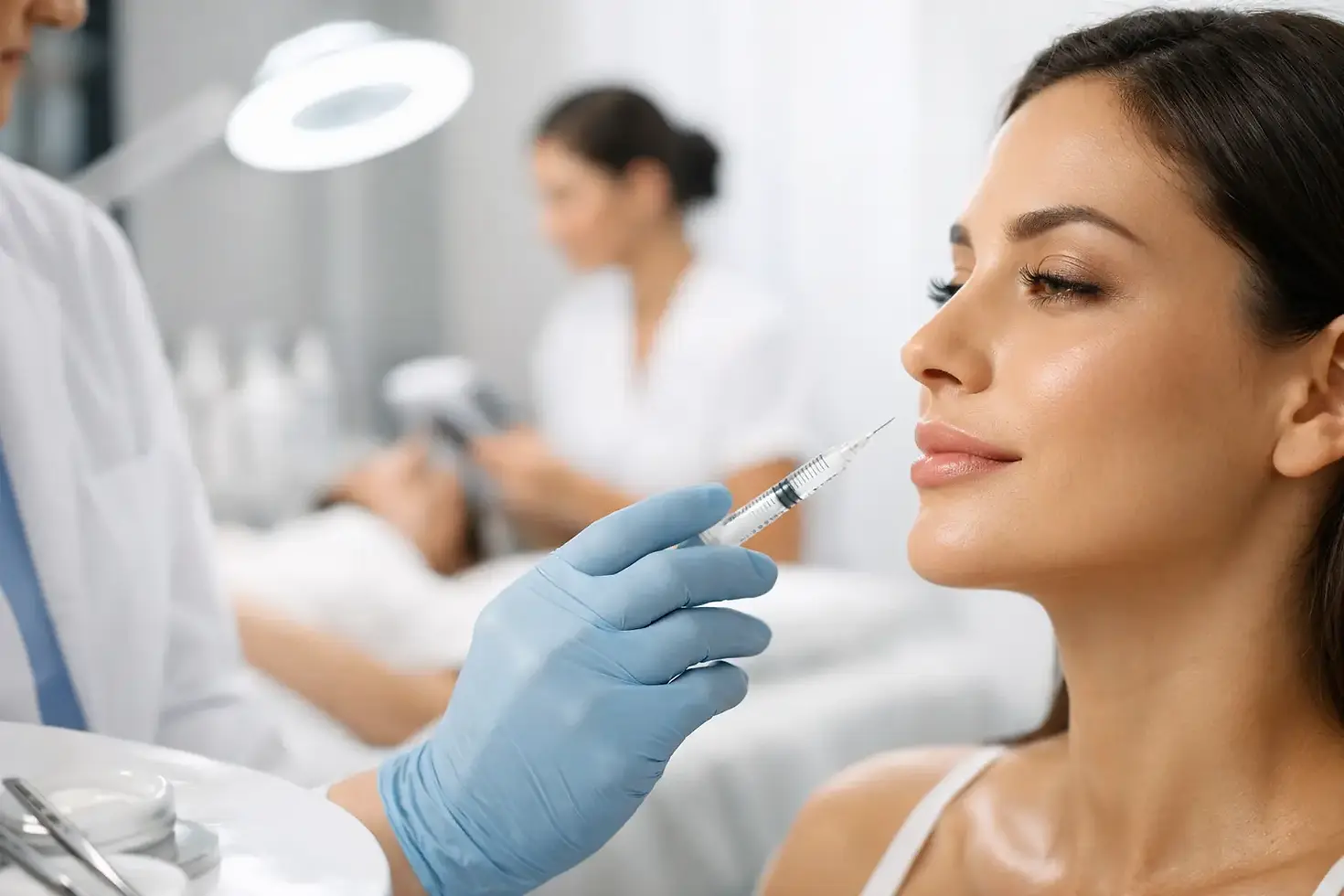
What Medical Aesthetics Really Means

A fresher face is rarely about looking like somebody else. For most people, medical aesthetics is about looking well, rested, and more like themselves again. That distinction matters, because the best results do not come from chasing trends or copying a look seen online. They come from careful assessment, good clinical judgement, and treatment plans designed around your skin, features, and long-term goals.
Medical aesthetics sits in the space between beauty and medicine. It includes treatments such as anti-wrinkle injections, advanced toxin treatments, medical-grade skincare, and device-led skin rejuvenation, but the real value is not the treatment menu on its own. It is the way those options are selected, timed, and combined to improve skin quality, soften signs of ageing, and support confidence without losing what makes your face your own.
What medical aesthetics includes
There is often confusion around what counts as medical aesthetics and what belongs more firmly in the beauty world. A facial may leave skin glowing for a few days, but medical aesthetics goes further because it is grounded in assessment, anatomy, skin health, and clinically informed treatment planning.
That usually means treatments delivered or overseen by a medically qualified practitioner. Injectables are one part of the field, but they are only one part. Many clients benefit just as much from prescription-only or medical-grade skincare, collagen-supporting treatments, and devices that target texture, tone, pigmentation, congestion, or laxity. In many cases, the most noticeable changes come from improving the quality of the skin itself rather than altering facial volume or shape.
This is where expectations need to be realistic. Not every concern is best treated with an injectable, and not every line needs chasing. Sometimes the right approach is prevention. Sometimes it is correction. Quite often, it is a phased plan that builds results gradually.
Why a clinical approach matters in medical aesthetics
Aesthetic treatment can appear simple from the outside. A short appointment, a few injections, a new skincare product, and then home. In reality, safe and effective medical aesthetics depends on much more than the procedure itself.
A proper consultation should look at medical history, contraindications, current skincare, lifestyle, facial movement, skin condition, and what is actually bothering you. Someone asking for one specific treatment may really need a different approach entirely. For example, forehead lines may be linked to stronger muscle movement, but they can also look more pronounced because of dehydration, sun damage, or loss of skin elasticity. Treating only one piece of the puzzle can leave results underwhelming.
This is one reason medically led care is so valuable. A qualified practitioner is not simply asking what you want to book. They are assessing whether it is suitable, whether it is safe, and whether it is likely to achieve the outcome you have in mind. Good medicine does not say yes to everything. It knows when to recommend a different route, when to delay treatment, and when to say no.
The shift from cosmetic fixes to skin health
The conversation around aesthetics has changed. Clients are increasingly informed, but they are also more cautious. Many are not looking for dramatic transformation. They want healthy, stronger skin, softening rather than freezing, and results that fit comfortably into daily life.
That is why skin-focused treatment plans have become such a central part of modern medical aesthetics. If your skin is dull, inflamed, uneven, or struggling with breakouts, no amount of quick-fix treatment will create the polished, refreshed result you are hoping for. Skin behaves better when it is supported properly.
Medical-grade skincare plays an important role here. These products are formulated with active ingredients at strengths designed to make a meaningful difference, but that also means they should be chosen carefully. Using the wrong product, using too much too quickly, or layering incompatible actives can leave skin irritated rather than improved. Personalised guidance matters because your skin barrier, sensitivity, pigmentation risk, and treatment goals are individual.
For some clients, this is the turning point. Once the skin is functioning better, other aesthetic treatments often work more effectively and more subtly. The result feels refined rather than obvious.
Personalised treatment plans deliver better results
There is no single ideal face, and there is no universal treatment schedule that suits everyone. Age, genetics, hormone changes, stress, sleep, sun exposure, and previous treatments all influence how your skin looks and behaves. The best outcomes in medical aesthetics come from recognising that complexity instead of flattening it.
A personalised plan takes into account both what you can see now and what may support your skin over time. One client may benefit from anti-wrinkle treatment to soften expression lines while maintaining natural movement. Another may be better suited to a course of rejuvenation-focused treatments that improve skin texture and luminosity first. Someone else may need a skincare reset before any procedure is considered.
This approach can feel slower than a one-size-fits-all service, but it is usually more effective. It also tends to produce results that age more gracefully. Faces change. Skin changes. Your treatment plan should be able to change with you.
Safety, discretion, and trust
For many clients, especially busy professionals and those new to treatment, the environment matters almost as much as the procedure. Medical aesthetics is personal. You may be discussing concerns you have never said out loud before, or asking questions that feel vulnerable. A high-volume, rushed setting does not suit everyone.
That is why discreet, one-to-one care is so important. A calm clinic experience allows space for honest conversation, informed consent, and treatment decisions that are considered rather than pressured. It also supports continuity. When the same practitioner gets to know your skin, your medical background, and your aesthetic preferences, treatment becomes more precise over time.
Trust also comes from transparency. You should understand what a treatment can realistically do, what it cannot do, what the downtime may be, and how the result may evolve. There are always trade-offs. A stronger treatment may offer more visible change but require more recovery. A lighter approach may be easier to fit around work and family life but take longer to build. Neither is automatically better. It depends on your priorities.
Why natural-looking results are not accidental
Natural results are often talked about as if they simply happen when someone has a light hand. In truth, they come from restraint, planning, and experience. In medical aesthetics, knowing what not to treat is just as important as knowing what to treat.
Facial harmony matters. Overcorrecting one area can throw another area into sharper focus. Chasing every line can leave the face looking less expressive, not more youthful. The aim should be to refresh and rebalance, not to erase every sign of life from the face.
This is where medically informed aesthetics stands apart from trend-led cosmetic culture. It values proportion, tissue quality, and long-term skin behaviour. It understands that a polished outcome may involve a combination of subtle interventions rather than one dramatic change.
At Evervine Medical Aesthetics, that philosophy sits at the centre of care. A nurse-led approach means each recommendation is grounded in safety, facial assessment, and a broader view of skin health, whether you are considering injectables, device-led treatments, or medical-grade skincare.
Is medical aesthetics right for you?
If you want a treatment simply because it is popular, it may not be the right reason to proceed. If, however, you have specific concerns about fine lines, skin quality, dullness, breakouts, or early signs of ageing, medical aesthetics can offer thoughtful, tailored solutions.
The key is choosing care that is led by assessment rather than assumption. You should feel listened to, not sold to. You should leave with a clear plan, not confusion. And you should feel confident that the person treating you is balancing results with professionalism, ethics, and your wider wellbeing.
Aesthetic medicine works best when it respects both the science and the person in front of it. Done well, it is not about looking altered. It is about giving your skin and features the right support so that when you catch your reflection, you look like yourself on a very good day.
If you are considering treatment, start with a proper consultation and ask the questions that matter. The right practitioner will welcome them, because confidence begins long before any treatment does.


Comments